
Identity and instruction
- Domain and operator identity checked.
- Service category checked against current official information.
- Recipient and payment relationship verified.
- Method, amount, currency and reference confirmed.
A deposit should begin with service and recipient verification—not the payment button. Use this process to reduce avoidable errors and document any problem clearly.
To make a casino deposit, first check the service category, account ownership, payment instructions, amount, limits and bonus effect. Use your own payment account, confirm the recipient, save the receipt and do not retry a pending transfer until its status is understood.
A payment method working on a website does not establish that the service may lawfully be offered in Australia or that the recipient belongs to the advertised business. Begin by checking the domain, operator identity, service category, current official information and the terms that apply to deposits. If the company name, recipient and support identity cannot be connected, do not use the transaction to test whether the site is genuine.
Next, confirm the account is in the correct name and currency, and that the intended amount is within a fixed entertainment budget. Review minimum and maximum deposit limits, fees, exchange rates, pending-payment handling, refund rules and any requirement to use the same method for withdrawal. If a promotion is involved, read the opt-in and qualifying-payment conditions before paying.
Verify the service, then the account, then the payment instruction, then the amount. Reversing that order can leave a player trying to investigate after money has already moved.

The exact screens vary, but the control points remain useful. Never let support control the device, log in to banking on the player's behalf or ask for an OTP. A support agent may need a transaction reference; they should not need the credentials that authorise a new payment.
A payment method should be compared by what the payer can verify, the record produced, fees, currency, processing status and recovery route—not by a claim of “instant” acceptance. A card, bank transfer, PayID or e-wallet can each fail in different ways, and availability varies by service and account.
| Method | Key check | Record to keep |
|---|---|---|
| PayID or bank transfer | Bank-displayed recipient, reference and exact account relationship. | Transaction ID, receipt, PayID or masked bank details, date and time. |
| Debit card | Merchant name, amount, fees and whether the cardholder matches the account. | Authorisation result, merchant descriptor and masked card record. |
| E-wallet | Wallet identity, operator support, fees and withdrawal compatibility. | Wallet transaction reference and operator receipt. |
| Voucher or other method | Issuer, redemption terms, refund limits and whether value is transferable. | Purchase and redemption records without exposing redeemable codes. |
A method that makes it difficult to identify the recipient or recover a transaction record deserves caution. Never publish a full card number, bank statement or redeemable code when asking for help.
“Pending” can refer to the payment provider, bank, operator cashier or account ledger. Identify which system is pending before taking action. A bank-authorisation hold is not the same as a completed transfer awaiting operator reconciliation.
A second deposit can create a duplicate charge while the first remains unresolved. If support insists that paying again is the only way to trace the first transaction, pause and verify that instruction independently.
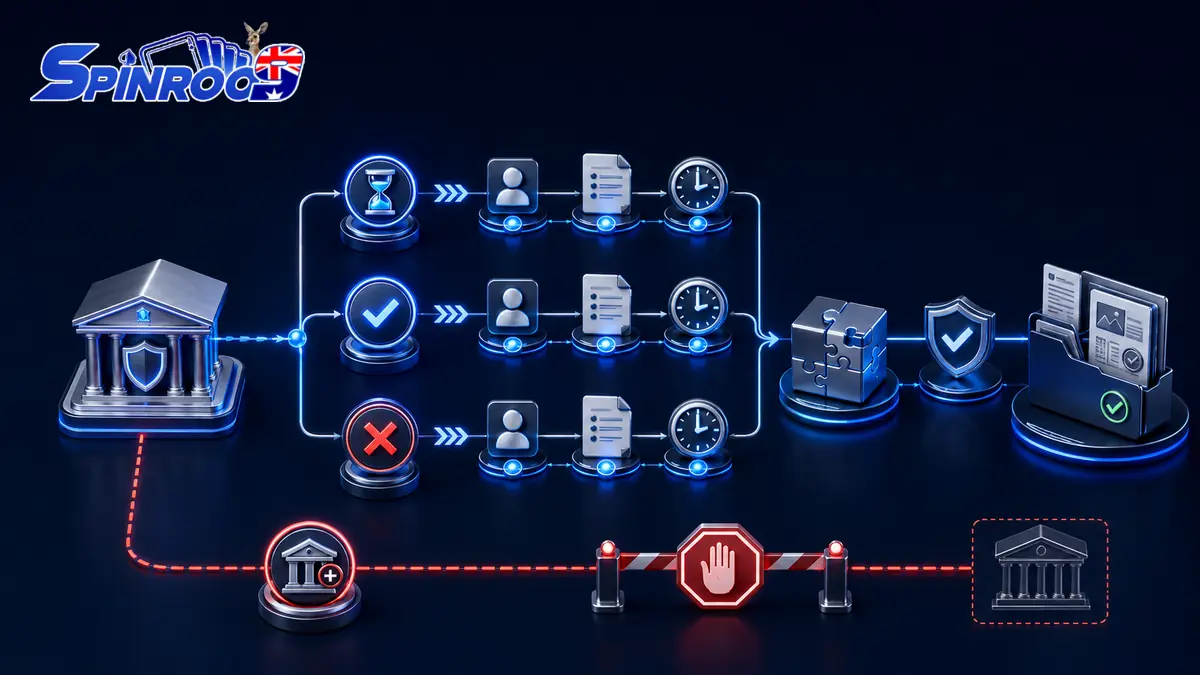
A failed deposit may result from insufficient funds, unsupported method, incorrect reference, bank controls, account-name mismatch, currency issue, expired instruction or operator-side rejection. A returned payment means funds moved back or are expected back under the payment system's status; verify that the money is actually available rather than relying on a message.
Do not cycle through multiple cards or recipients in rapid succession. Repeated attempts can create holds, duplicate debits or account reviews. Correct the identified cause first. If the service changes the recipient after every attempt, capture the changes and ask why before proceeding.
The player sees an error in the cashier but a completed bank transfer. They do not treat the website message as a failed payment. They keep the bank transaction ID, compare the recipient and reference, and open one support case. Retrying immediately could pay twice.
A useful evidence pack lets support trace the transaction without giving access to the account. Keep the operator account ID, transaction reference, date, time, amount, currency, method, bank or wallet status, recipient display and relevant terms. Screenshots should show enough context to identify the event, but sensitive unrelated balances and transactions can be redacted in a copy.
Protect passwords, PINs, one-time codes, full card numbers, CVV, seed phrases and remote access. Identity documents should be shared only when the recipient, purpose, privacy handling and secure upload route have been checked. Emailing a full passport to an address supplied in live chat should not be the default.
The Spinroo9 Privacy Policy also makes clear that this educational website does not need operator KYC documents and cannot process an account dispute.
A qualifying deposit may automatically or manually activate a promotion. That can change which funds are used first, which games count, the maximum allowed stake and whether a withdrawal cancels the bonus. The deposit is therefore not isolated from the offer terms.
Before authorising payment, record whether the promotion is selected, what code is active, the qualifying amount and whether an excluded method will make the payment ineligible. Do not deposit more simply to fix a missed opt-in. First determine whether the original transaction remains ordinary cash, whether support can apply the offer without another payment and whether the bonus is desirable at all.
Use the casino deposit bonus terms guide to calculate wagering and the promotion comparison guide to decide whether the restrictions are worth accepting.
Stop when the recipient name conflicts with the business identity, support applies urgent pressure, the payment details arrive through a personal account, the transfer description must be disguised or an agent requests remote control. Extra caution is needed when a “deposit” is described as a prerequisite to release an existing withdrawal or refund.
If any answer is “no”, pause. A missed deposit opportunity is not a financial loss; an unverified transfer can be.

Open a verified account area, select a supported method, read limits and promotion effects, confirm the recipient and amount in your payment app, authorise once and save the receipt. Check Australian service rules separately.
The pending status may be at the bank, payment provider, cashier or account ledger. Identify which system is pending, verify the recipient and reference, keep the transaction ID and contact the relevant verified channel before retrying.
Not until the first transaction's status is understood. A second payment can create a duplicate. Check the bank or payment provider, casino history and reference, then open one documented support case.
Keep the date, time, amount, currency, method, transaction ID, recipient display, account reference, status and relevant terms. Do not share passwords, OTPs, CVV or unrelated statement details.
That can create ownership, verification, refund and withdrawal problems and may breach the operator's terms. Use an account in the verified player's name and check method-matching rules before paying.